


THE REAL VICTORY IN YOUTH SPORTS: BUILDING BETTER KIDS FOR A BETTER WORLD
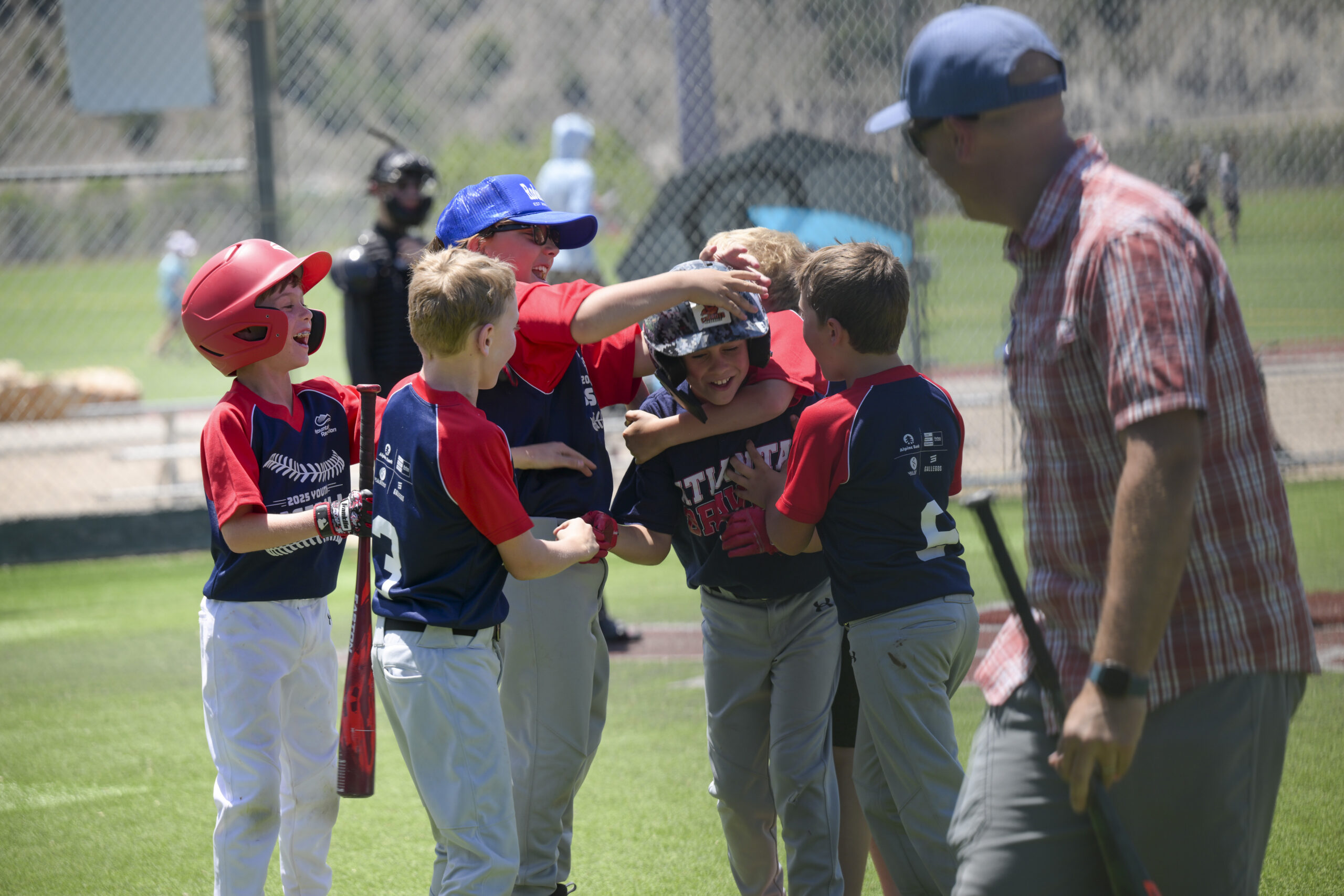
As a parent, it is natural to watch your child step onto the field, court, or diamond and dream big. The thrill of that perfect pass, the game-winning hit, or the buzzer-beater makes it easy to picture them as the next MVP, college star, or even pro athlete. I get it. I have coached and coordinated youth sports long enough to see that sparkle in kids’ eyes and the hope in parents’ hearts. But here is the gentle truth we need to talk about more openly. Those elite dreams, while inspiring, are incredibly rare. And chasing them as the only goal is quietly creating problems that hurt our kids and our communities.
Let us look at the numbers, not to crush dreams, but to paint a clearer picture of reality so we can focus on what actually matters.
Right now, park and recreation programs across America reach more than 40 million youth every year through organized sports. In high schools alone, participation hit a record 8.26 million students in the 2024-25 school year. That is an amazing sign of how much kids love to play. Yet according to the NCAA’s official probability data, only about 7 percent of high school athletes ever compete at the college level (any division), and fewer than 2 percent make it to Division I. The path to professional sports is even narrower; far less than 1 percent of high school players ever get there.
These are not made-up barriers. They are simply math. And they have not changed, even with shifts like the transfer portal. The point is not to tell your child to quit dreaming. It is to free them and you from the pressure of making sports their only ticket to success. Because when the scoreboard fades, and it always does, what is left are the real wins that last a lifetime.
Youth sports were never meant to be a pipeline to the pros. At their best, they are a classroom for life skills no textbook can teach.

Think about it. On a team, kids learn to build new relationships with teammates from different backgrounds. They practice sportsmanship when the call does not go their way. They discover how to encourage a struggling friend during tough times and how to welcome the kid who might not be the fastest or strongest but brings heart and hustle. These moments, cheering from the bench, helping a teammate up after a fall, and celebrating a teammate’s small victory, shape character in ways that echo far beyond any game.
The technical stuff? Learning to run faster, pass cleaner, dribble smoother, shoot straighter, pitch accurately, hit harder, or volley with precision? Those are wonderful byproducts of showing up to practice. But they are not the main event. The main event is leaving every practice and every game abetter person than when you arrived.

Team sports offer something a traditional classroom simply cannot: real-time lessons in teamwork, resilience, empathy, and welcoming every teammate. They build the foundation of healthy societies, one kid, one practice, one encouraging word at a time. When we get this right, we are not just raising athletes. We are raising leaders, good neighbors, and compassionate adults who know how to lift others up.
Here is where the bigger problem shows up, and where we have a real opportunity to change things.

Across the country, youth sports programs are facing a serious coaching shortage. According to the National Recreation and Park Association’s 2025 Youth Sports Report, a staggering 82 percent of park and recreation agencies list a lack of volunteer coaches as their top challenge. Why? Too many good-hearted parents and community members feel unqualified or inexperienced. They worry they do not know enough about X’s and O’s, or they see the intense pressure from parents chasing scholarships and assume coaching means creating the next superstar. That pressure turns what should be a joyful volunteer role into something intimidating.
But what if we flipped the script?
Imagine if the primary vision for every youth coach was not how do I teach perfect footwork, but how do I help every kid on this team grow into a better person? The fundamentals still get taught. There are millions of free how-to videos on YouTube for every skill in every sport. And organizations like ours provide ready-made resources: our coaches’ resource page offers complete practice plans for every sport we run, designed to make preparation simple and effective.

When the focus shifts to character, building relationships, modeling sportsmanship, fostering belonging, and creating an environment where every kid feels valued as part of the team, coaching becomes accessible to anyone who cares about kids. You do not need to have played at the college level. You just need to show up with heart, use the tools already available, and commit to making each practice a place where kids leave better than they arrived.
If we made that the priority, I believe the coaching shortage would start to shrink. More parents would volunteer. More community members would step forward. And our kids would reap the benefits in ways that go far beyond any trophy.
Parents, this is not about lowering expectations. It is about raising the right ones. Your child’s sports journey can still be full of joy, growth, and yes, even elite moments if they earn them. But the greatest gift you can give them is not a college scholarship chase. It is the daily reminder that being a great teammate, a kind competitor, and a resilient person matters more than any final score.
So let’s commit together. Let every practice end with kids who are stronger in character, not just in skills. Let us make youth sports the place where we build better people, and in doing so, build a better world.
The next generation is counting on us. And the best part? They are already showing up ready to learn. All we have to do is coach them toward what truly lasts.